
8 hr
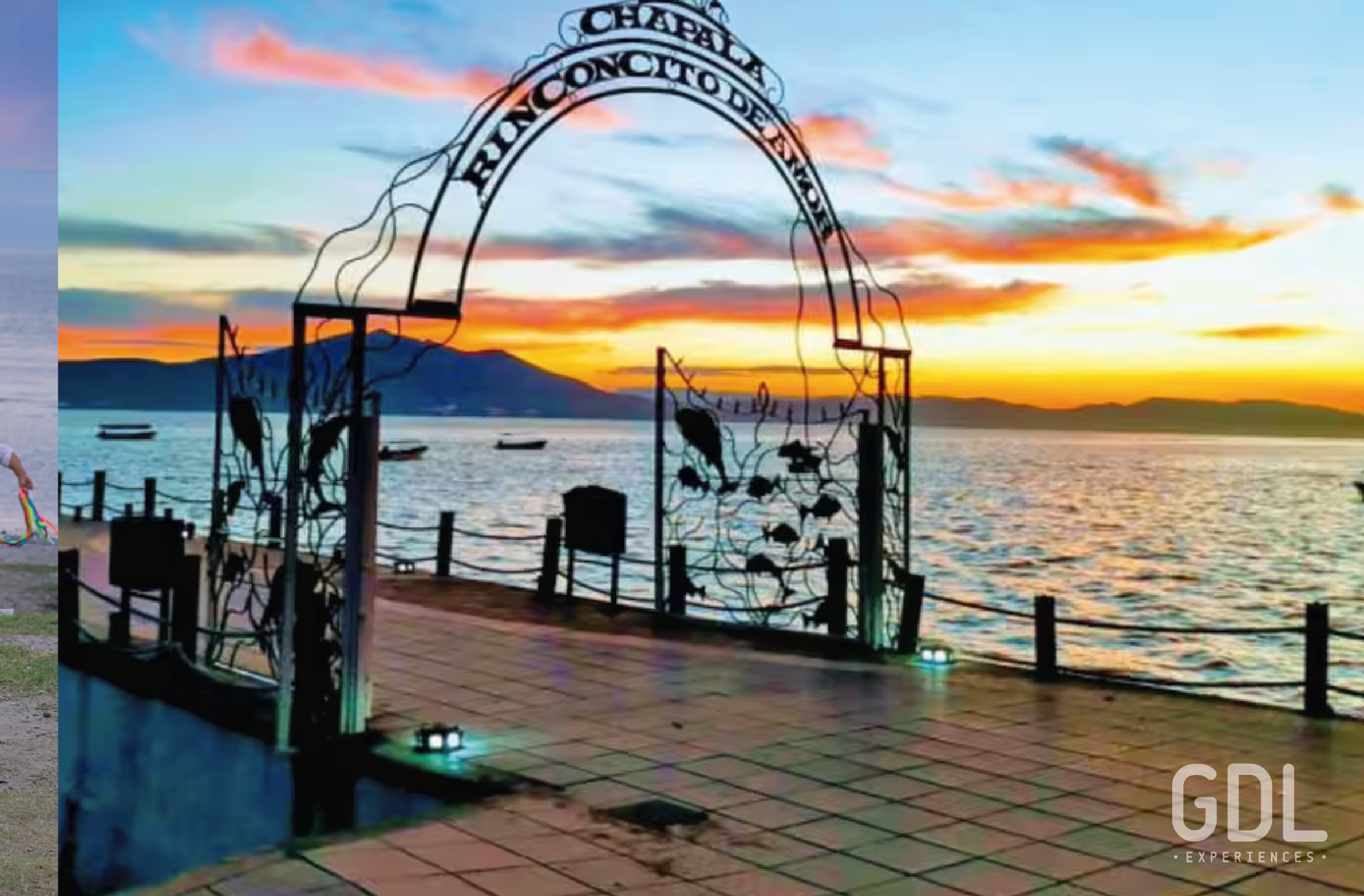
Lake Chapala & Ajijic Day Tour with Tequila Tasting
Journey to Mexico's largest lake, tour a tequila distillery, cruise by catamaran, and explore charming Ajijic
Reserve
Hand-picked by our editors — only the best 5 expeditions from 19 reviewed.
Verified partners for every tour, free cancellation where available, and instant confirmation on every booking.
8 hr
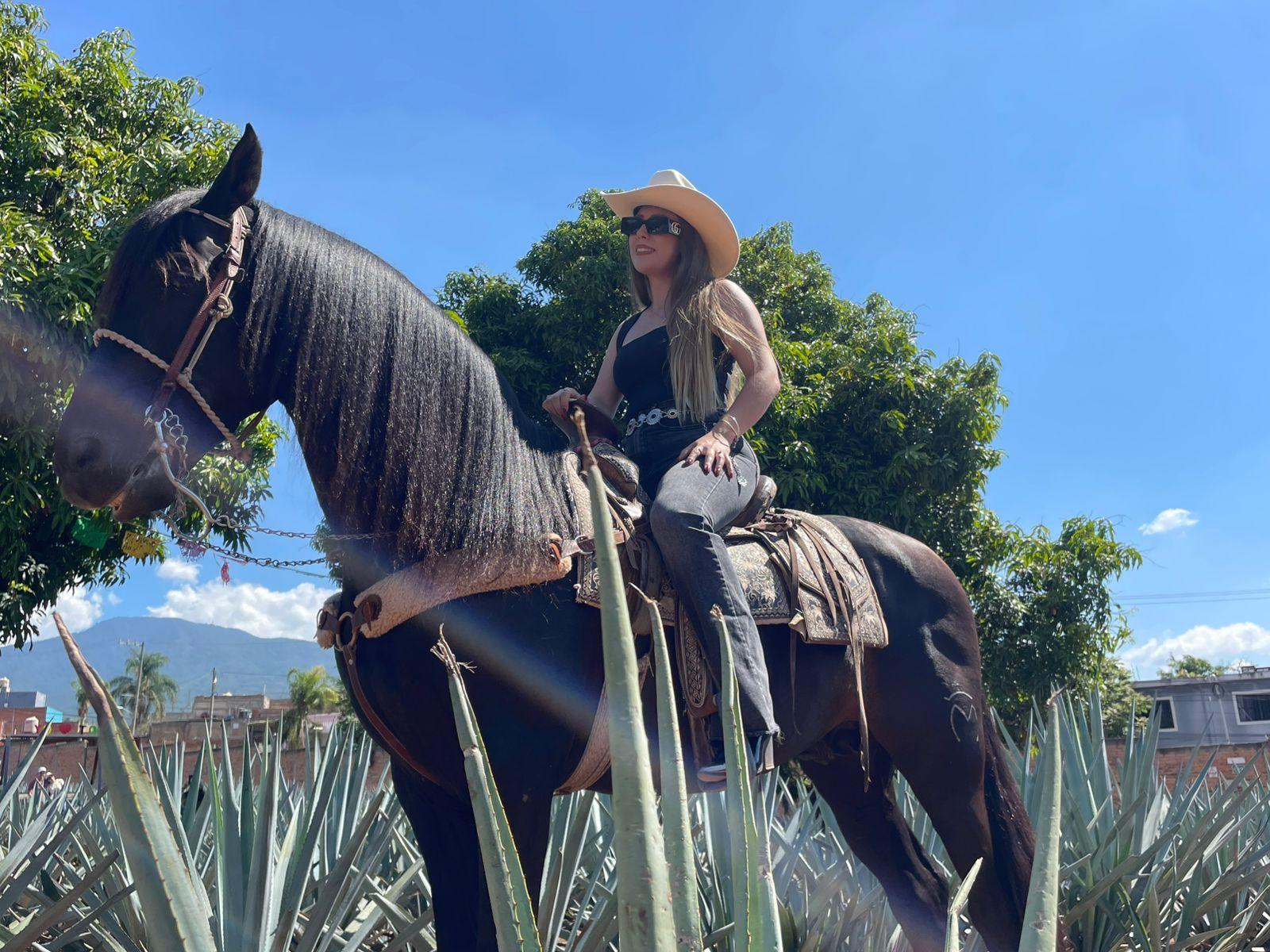
Journey to Mexico's largest lake, tour a tequila distillery, cruise by catamaran, and explore charming Ajijic
Reserve
9 hr
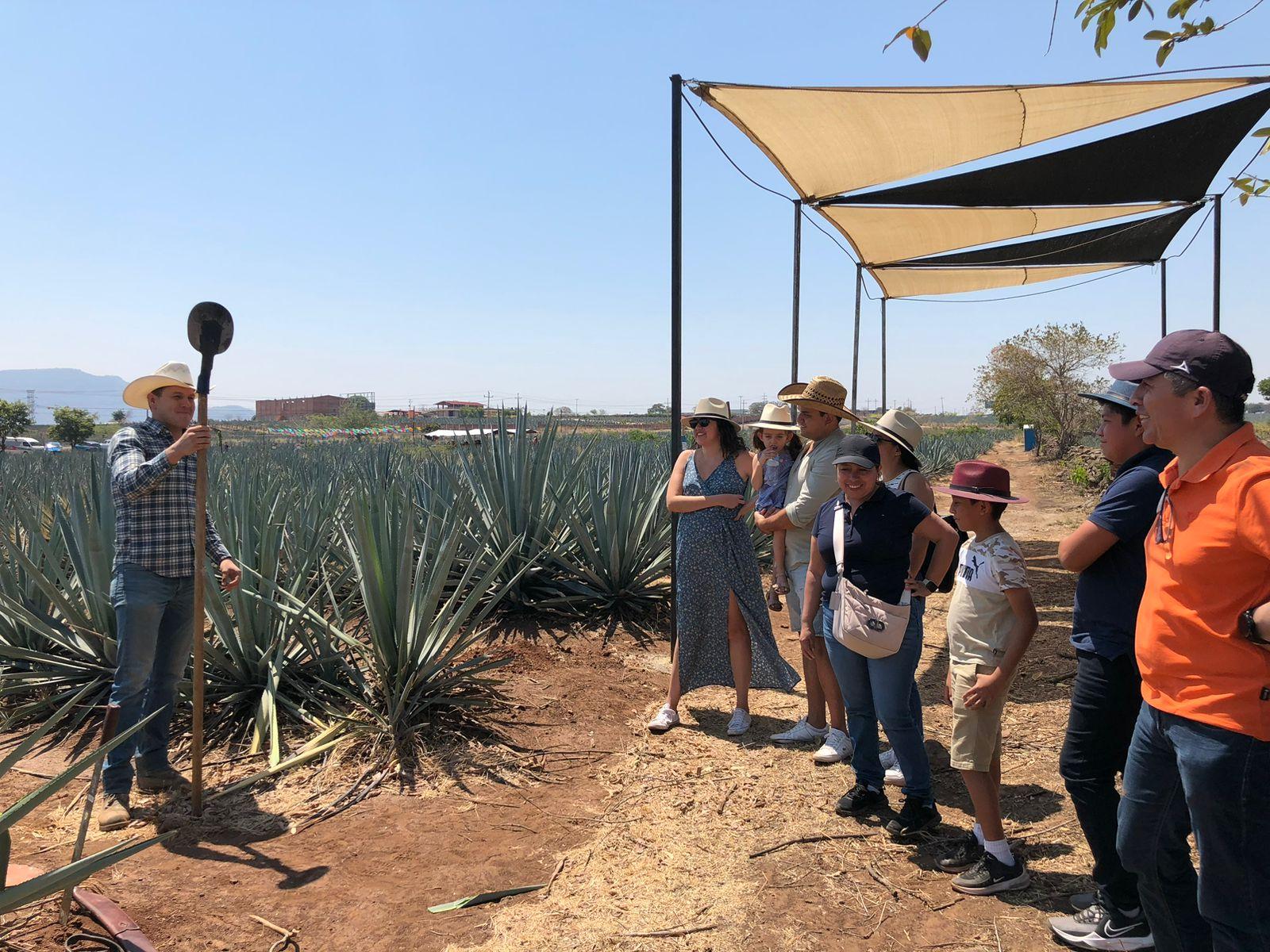
Journey from Guadalajara to Mexico's tequila heartland for distillery tours, tastings, and pueblo charm
Reserve
8 hr 30 min
Journey through agave country with distillery tastings, Pueblo Mágico exploration, and festive finale
ReservePrices from verified partners. Availability updates in real time at checkout. Free cancellation policies apply where shown.
The landmarks, rooms, and views travelers on this tour remember — all visible on a single visit.
This 105-meter waterfall is the largest in the region and features vibrant blue water. Visitors often access the site by canoe to view the falls from the base.
Cascada de Tamul
This massive open-air pit is one of the deepest in the world at over 300 meters. Millions of swifts emerge from the depths each morning in a distinct formation.
Sótano de las Golondrinas
This surrealist garden contains massive concrete structures intertwined with tropical vegetation. It was built by Edward James in the heart of the jungle.
Las Pozas
This natural site features a series of interconnected turquoise pools and a deep cavern. The light reflects off the water to illuminate the cave walls.
Puente de Dios
This site consists of several smaller waterfalls that form a unique stepped landscape. It is a popular spot for adventure activities like jumping and kayaking.
Cascada de Micos
These experiences serve different travelers; most visitors who do both call the Huasteca Potosina region the more immersive nature-focused excursion compared to local Jalisco options. Securing your huasteca potosina tours desde guadalajara tickets offers a distinct shift in pace from the urban accessibility of nearby cultural landmarks.
| Feature | Top pick Huasteca Potosina | Jalisco Day Tours |
|---|---|---|
Travel Distance |
~450 km | ~50-70 km |
Travel Time |
7-9 hours | 1-2 hours |
Activity Focus |
Outdoor adventure and waterfalls | Cultural heritage and distillery visits |
Cost Commitment |
Higher due to logistics | Lower for local transit |
Required Preparation |
Advanced lodging and transport | Spontaneous same-day planning |
Topography |
Subtropical canyons and rivers | Highland plains and lakes |
| See tickets → |
Verdict: Choose the huasteca potosina tours desde guadalajara tour for multi-day wilderness exploration, or select a Jalisco day trip when seeking efficient huasteca potosina tours desde guadalajara tours for relaxed cultural exposure.
Choose your ticket, select your date, and reserve in under two minutes. Secure checkout handled by our verified partner.
Instant confirmation by email, with a mobile voucher you can save offline. No printing, no queuing at a collection desk.
Arrive at the entrance, show your voucher on your phone, and walk in. Most tickets include priority or skip-the-line access.
Practical details for your visit straight from our verified partners — hours, access, rules, and how to get there.
Variable
Verify exact time 24 hours prior
Follow highways toward San Luis Potosí for access to Huasteca Potosina.
Participants on huasteca potosina tours desde guadalajara must wear quick-dry clothing and secure water shoes for swimming. Sturdy hiking sandals are necessary for traversing limestone trails and slippery waterfall areas.
Only small, waterproof backpacks are permitted on huasteca potosina tours desde guadalajara. All personal belongings must be secured during aquatic activities to prevent loss in deep river currents.
Waterproof camera gear is essential for documenting huasteca potosina tours desde guadalajara. Professional tripods are generally discouraged due to narrow cliffside paths at many waterfall locations.
Most huasteca potosina tours desde guadalajara involve uneven terrain, steep staircases, and slippery riverbanks. Sites are not suitable for individuals with limited mobility or those requiring wheelchair access.
Cellular service is intermittent throughout the region. Download offline maps before starting your huasteca potosina tours desde guadalajara journey.
Families joining huasteca potosina tours desde guadalajara should ensure children are confident swimmers. Life jackets are mandatory for all visitors regardless of swimming ability at designated park zones.
Local vendors near site entrances offer traditional regional dishes as part of huasteca potosina tours desde guadalajara. It is advised to carry sufficient bottled water as remote waterfall locations lack modern facilities.
Animals are not permitted on most huasteca potosina tours desde guadalajara due to conservation policies. Check with your specific operator for potential service animal exemptions.
Always respect the 100 MXN conservation fee as it supports local ecology. Following instructions from your tour leader is vital for safety on huasteca potosina tours desde guadalajara.
Best time to go, insider tips, nearby landmarks, and the cancellation fine print — flip through to skim what matters to you.
How crowds, weather, and events shift across the year.
Mild temperatures and clear water ideal for swimming.
Higher water flow but increased humidity.
Cooler mornings perfect for visiting outdoor landmarks.
Dry season with lower water levels in rivers.
Small details that turn a good visit into a great one.
Drink plenty of water to combat the regional humidity.
Keep small denominations for entrance fees and local artisans.
Prioritize grip over style for rocky river terrain.
Visit sites between 07:00–10:00 to avoid mid-day tour bus crowds.
Hire local experts to navigate complex river networks.
Non-bookable sights within a short walk — free to visit, easy to pair.
High-volume waterfall accessible via boat tour.
Deep natural abyss known for bird migration.
Surrealist garden hidden in the rainforest.
Turquoise river pools with natural cavern features.
Flexible, no hidden fees.
Full refunds are available for cancellations made at least 48 hours before the scheduled departure of huasteca potosina tours desde guadalajara. No-shows or cancellations within the 48-hour window forfeit the standard 100 MXN conservation fee payment and tour deposit.
Hand-picked options within walking distance — pick a district for vibe, or a specific hotel for convenience.
Historical hotel with central access
Comfortable base for regional tours
The Huasteca Potosina region spans 2,500 square kilometres of eastern San Luis Potosí, where the Sierra Madre Oriental descends into a labyrinth of karst formations, subterranean rivers, and vertical canyons carved over twelve million years. Its turquoise waterways—fed by calcium carbonate deposits that refract light into shades of cerulean and jade—remained largely inaccessible until the 1990s, when rural cooperatives built rope bridges and footpaths into the gorges surrounding Aquismón and Ciudad Valles. The Cascada de Tamul, a 105-metre plunge into the Río Gallinas canyon, was documented by National Geographic in 2003, yet its boat-access trail wasn't formalized until 2012. The region's remoteness preserved ecosystems found nowhere else in Mexico: the Sótano de las Golondrinas sinkhole, 512 metres deep, hosts nesting colonies of white-collared swifts that spiral upward each dawn in formations visible from the rim. Huasteca Potosina tours desde Guadalajara bridge 340 kilometres of highland and lowland terrain, typically departing at dawn to reach the waterfall zone by mid-morning. The route descends from Jalisco's volcanic plateau—averaging 1,500 metres elevation—through the Bajío agricultural belt, then climbs into the Sierra Madre cloud forest before dropping into the humid subtropical valleys where Tamul, Minas Viejas, and Puente de Dios lie within a 40-kilometre radius. Most itineraries prioritize Tamul's boat approach or the swimming pools of Puente de Dios, a collapsed cave system where sunlight filters through a natural limestone dome. The village of Xilitla, 90 minutes southeast, houses Las Pozas, Edward James's surrealist sculpture garden built between 1962 and 1984—concrete stairways and Corinthian columns overtaken by strangler figs and bromeliads. Conservation fees collected at each site—typically 100 pesos per person—fund the ejido cooperatives that manage access, maintain trails, and enforce a 250-visitor daily cap at Tamul during high season. The Micos rapids, a seven-tier cascade used for guided rafting, require life vests and helmets provided by certified operators; the descent takes 90 minutes and passes through sections of Class II and III whitewater. Regional tours from Guadalajara often combine two waterfalls with a stop in the market town of Ciudad Valles, where zacahuil—a two-metre tamale cooked in banana leaves—is sold by weight each Sunday. The return journey to Jalisco crosses the Tropic of Cancer at kilometre marker 182, where roadside vendors sell piloncillo cones and fresh sugarcane juice pressed in hand-cranked mills.
"Its turquoise waterways remained largely inaccessible until the 1990s, when rural cooperatives built rope bridges and footpaths into the gorges."
A step-by-step walkthrough of the visit — what you'll see, how long each stage takes, and the details that matter.
You leave Guadalajara before sunrise, crossing the darkened Bajío plain as vendors in Irapuato set up fruit stands under sodium lamps. By eight o'clock the highway climbs into pine-covered ridges, then drops sharply into humid air thick with the scent of wet limestone and decaying leaves. You reach the Tamul trailhead at ten, where lanchas—narrow wooden boats with outboard motors—wait at the Río Gallinas dock. The fifteen-minute ride follows the canyon downstream, walls rising 200 metres on either side, until the waterfall appears: a white ribbon plunging into mist, the pool beneath it shifting from turquoise to emerald depending on the sun's angle. After Tamul you drive twenty minutes to Puente de Dios, descending a steep footpath to a collapsed cave where sunlight pours through a circular opening in the rock ceiling. The water is cold—fed by underground springs—and ropes strung across the pool let you pull yourself into the current. You swim beneath the stone bridge, then climb onto algae-slicked boulders to watch other swimmers leap from ledges into the deep end. Lunch is served in a palapa overlooking the river: carne asada, handmade tortillas, and agua de jamaica poured from clay jugs. You dry off on the drive back, watching the Sierra Madre recede into haze as the bus climbs toward the plateau, reaching Guadalajara after dark with lake mud still caked on your sandals.
The region is accessible from 07:00–19:00 daily. Always check specific site hours as part of your huasteca potosina tours desde guadalajara plan.
Yes, expect to pay a 100 MXN conservation fee at most locations.
While independent travel is possible, huasteca potosina tours desde guadalajara are recommended for navigating remote terrain.
Expect a journey of 8-10 hours from Guadalajara by car.
Most tours are suitable for families, though some river activities require participants to be confident swimmers.
Arrive between 07:00–10:00 to enjoy the waterfalls before the heat and crowds arrive.
Swimming is permitted at many sites, but safety conditions vary by water levels.
Operations may be modified due to heavy rain for safety reasons during your tour.
Due to rugged, natural paths, most areas are not accessible for wheelchairs.
You can secure your huasteca potosina tours desde guadalajara tickets through the live inventory provided on this page.