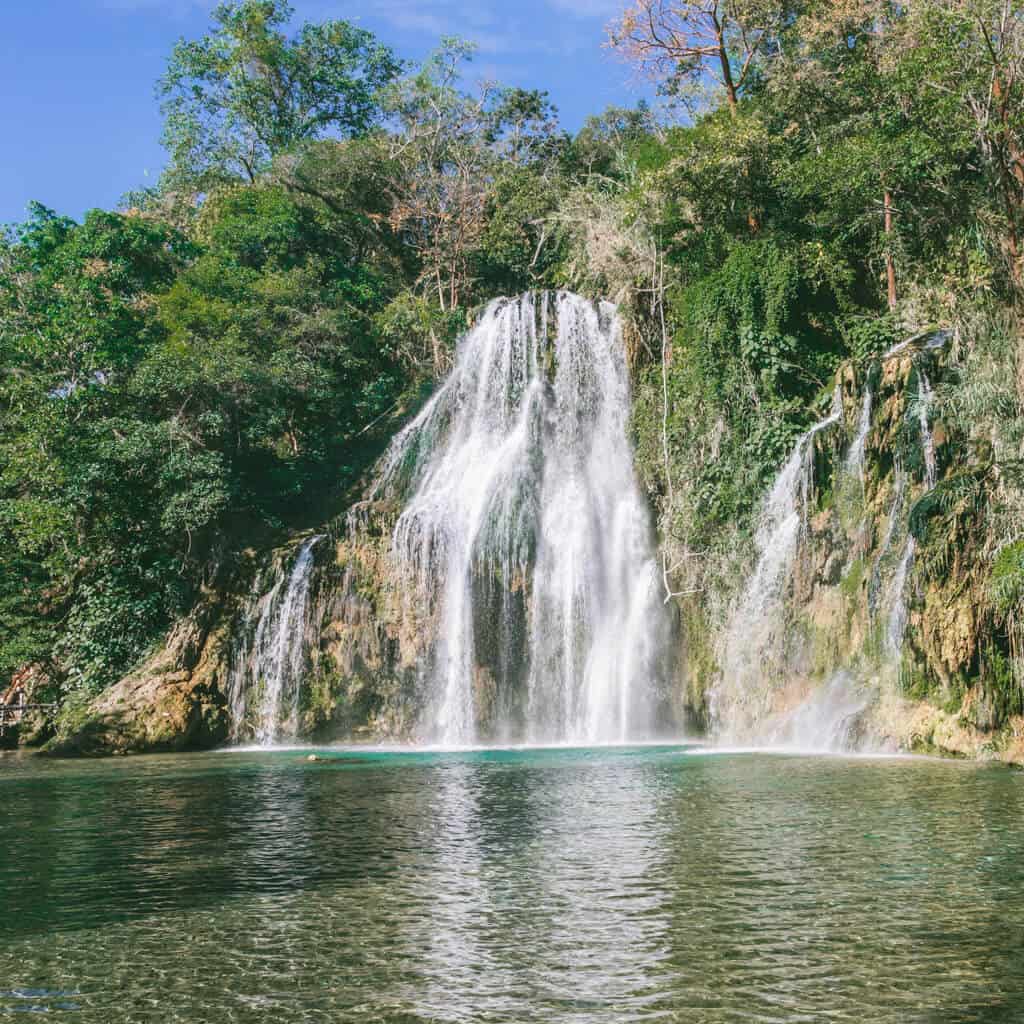
Cascada de Tamasopo Observation Deck
08:00–10:00
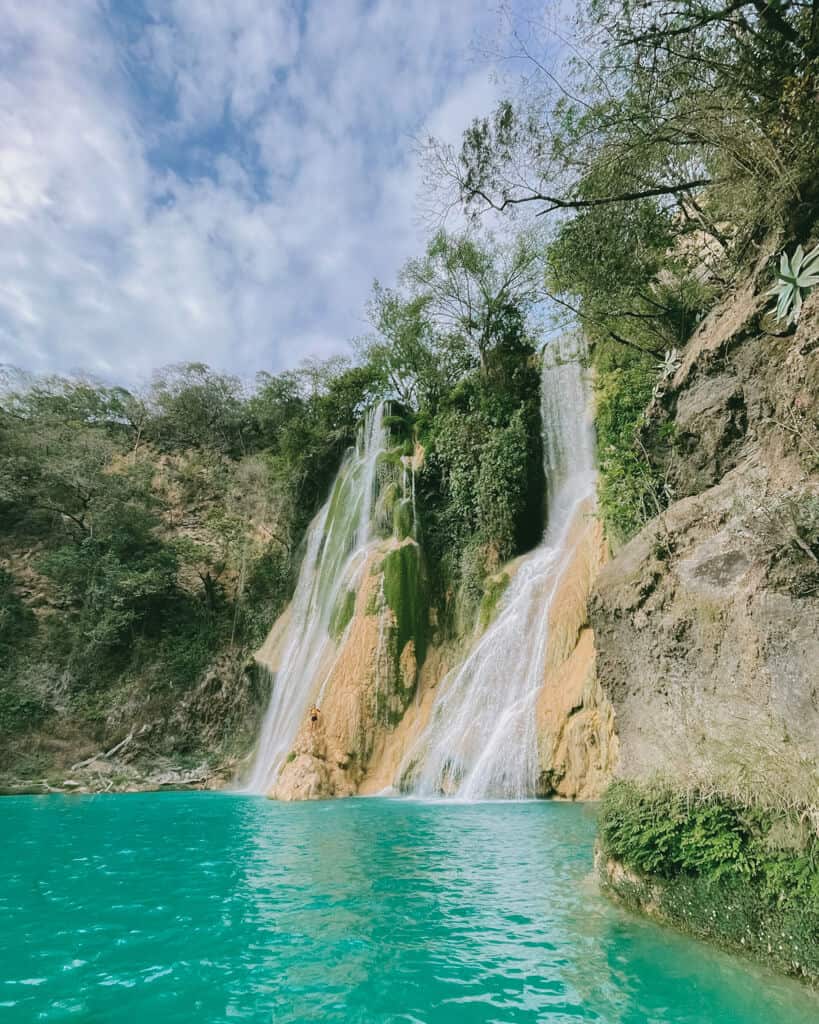
Capture the full three-tiered falls from the wooden platform near the main entrance.

The Huasteca Potosina delivers some of Mexico's most striking natural compositions: waterfalls that pour into mineral-blue basins, rivers carving through limestone canyons, and jungle pools lit by shafts of overhead sun. This guide maps the region's essential photo locations, the light conditions that matter, and the timing that separates a snapshot from a portfolio piece.
Quick answer
Huasteca potosina tours photos center on seven core locations: Cascadas de Tamasopo's tiered falls, Tamul Waterfall's 105-meter drop into the Tampaón canyon, Minas Viejas' illuminated cave pool, Puente de Dios' natural bridge, Sótano de las Golondrinas' sinkhole, Xilitla's surrealist gardens, and the turquoise channels of Media Luna. Morning light between 08:00 and 10:00 delivers the cleanest color saturation before midday sun washes out the canyon walls and pool surfaces.
The Huasteca Potosina's trademark turquoise comes from dissolved calcium carbonate suspended in spring-fed rivers, a mineral load that refracts light into shades of cyan and jade. That color peaks in dry season—November through May—when reduced rainfall keeps sediment low and visibility high. Rainy months from June to October swell the waterfalls but cloud the water with runoff, trading color clarity for volume and drama. Cascadas de Tamasopo anchors most photography itineraries. The site spreads across multiple tiers, each pool catching different angles of morning sun. Arrive at the 08:00 opening to shoot the main cascade without crowds wading through your frame. The upper pools offer tighter compositions framed by ferns and limestone ledges. A 180 MXN conservation fee grants access to the trail network. Midday flattens contrast and burns out highlights, so serious shooters prioritize the first two hours or return after 16:00 when oblique light restores dimension. Tamul Waterfall requires a river approach by canoe from Tanchachín, a 90-minute paddle that positions you directly below the falls as they drop into the Tampaón canyon. The shot is wide-angle: vertical walls, green canyon rim, white plume hitting turquoise water. Guides depart early morning to secure calm water and softer light. Minas Viejas inverts the formula—a cave pool lit by natural skylights, best photographed when overhead sun penetrates the openings between 11:00 and 13:00. Puente de Dios, despite its fame, presents exposure challenges: the natural bridge creates deep shadow zones that clash with bright water, demanding bracketed exposures or graduated filters. Xilitla's Las Pozas adds surrealist architecture to the jungle backdrop—Edward James' concrete follies overgrown with vines, staircases ending in canopy, arches framing mist. The site opens at 09:00; early entry captures the structures before tour groups fill the pathways. Media Luna, a spring-fed lagoon near Río Verde, works for underwater photography—gin-clear water, submerged vegetation, and steady natural light. Huasteca potosina tours photos succeed when timed to the region's light cycle and seasonal water clarity, not by chasing every landmark on a single loop.
“The turquoise comes from dissolved calcium carbonate, a mineral load that refracts light into shades of cyan and jade—and peaks when spring-fed rivers run clear.”
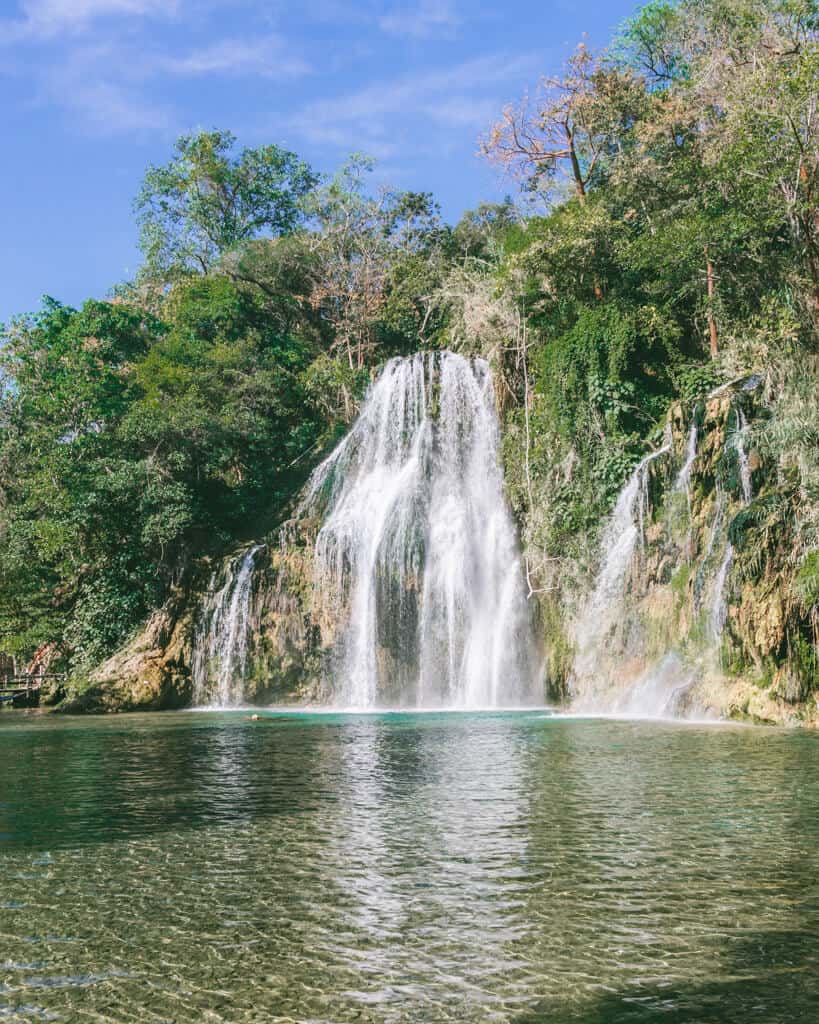
08:00–10:00
Capture the full three-tiered falls from the wooden platform near the main entrance.
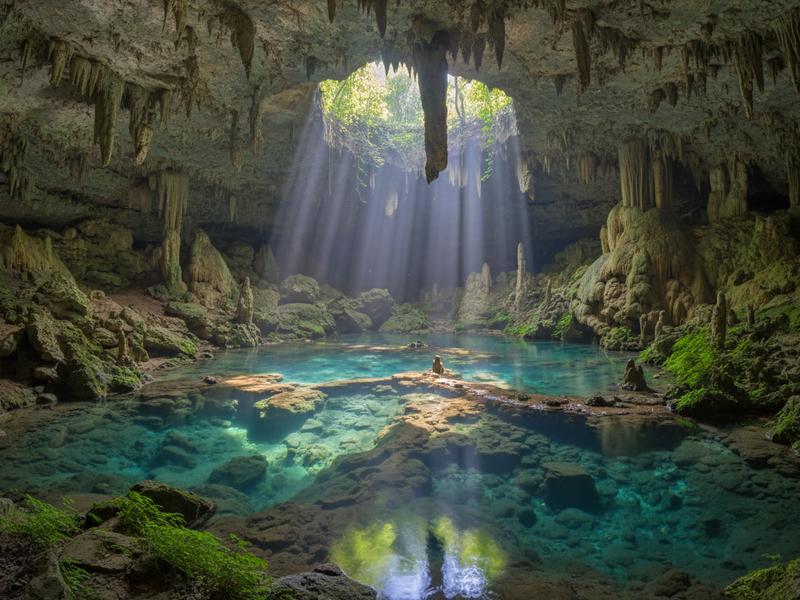
08:00–10:00
Use a wide-angle lens to document the vivid blue water inside the natural cavern.
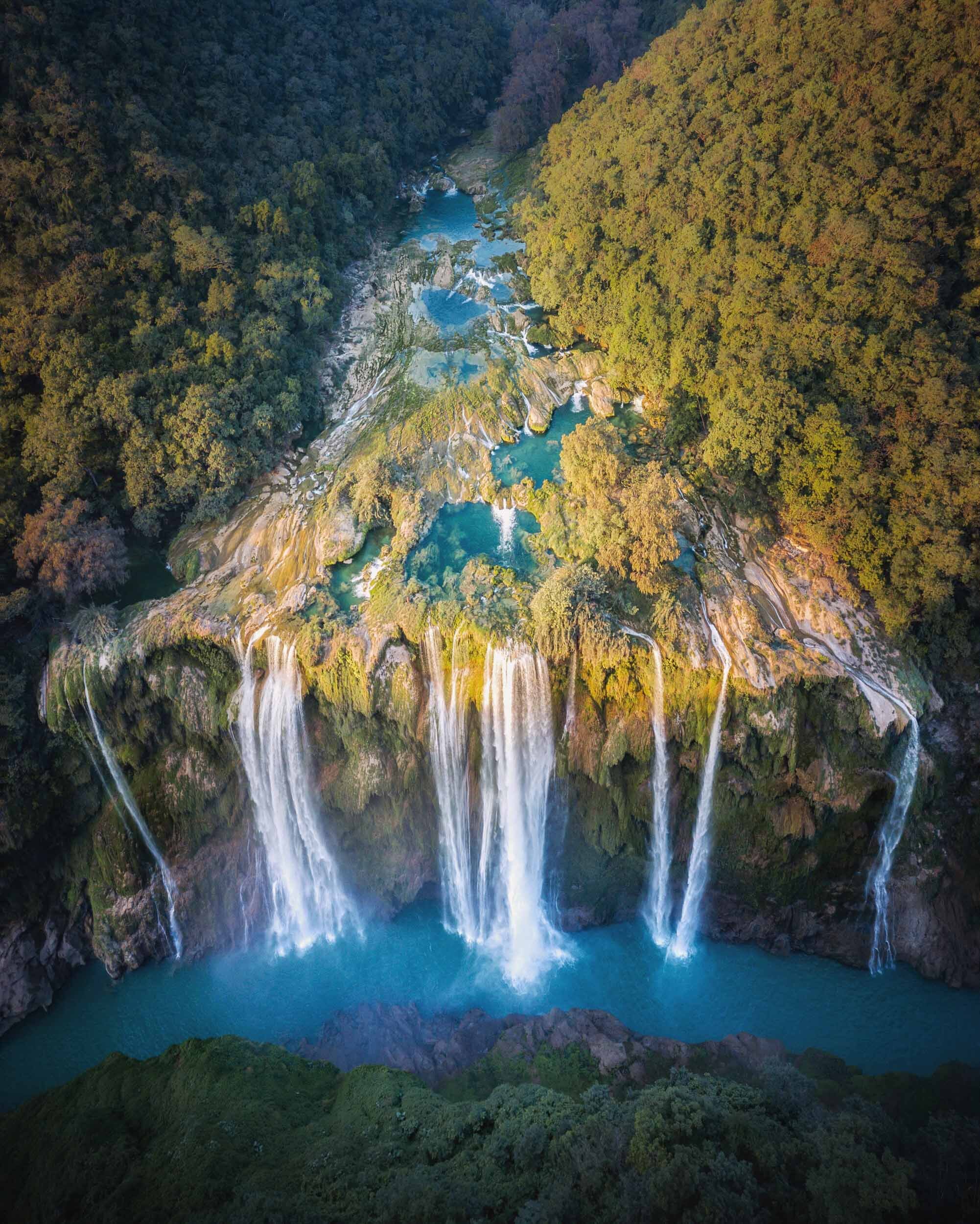
08:00–10:00
Frame the waterfall from the upper ridge during the morning light for depth.
08:00–10:00
Focus on the long exposure potential of the cascading water against the stone walls.
The Huasteca Potosina region features distinct hydrological formations and verdant landscapes that serve as the primary subjects for photography. Understanding the specific visual characteristics of these sites assists in planning compositions before arrival.
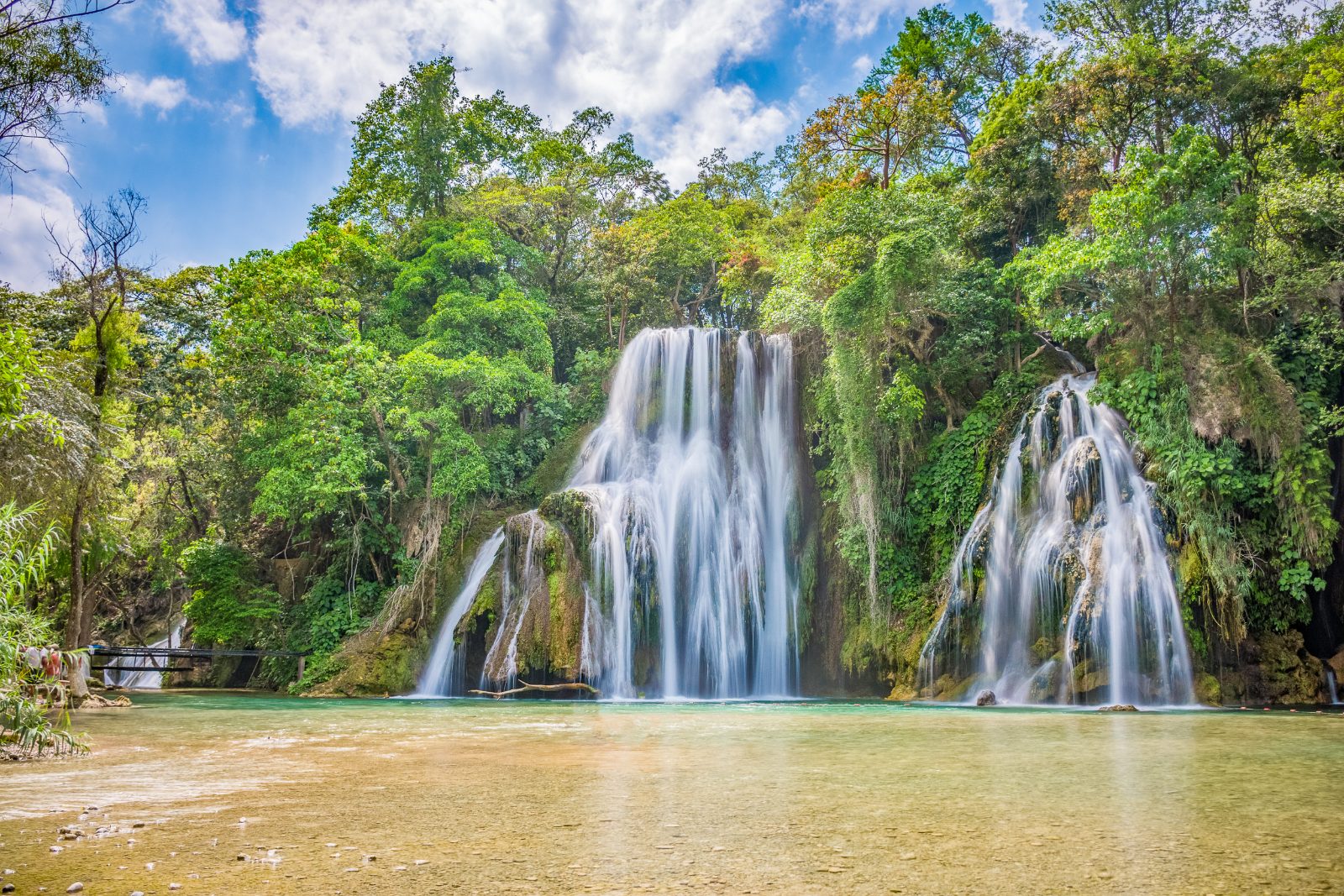
This site consists of a series of three main waterfalls that cascade into deep, turquoise pools surrounded by lush vegetation. The water flow creates distinct white currents that contrast with the clear, calm sections of the basin.
Position at the wooden bridge for an elevated wide-angle perspective.
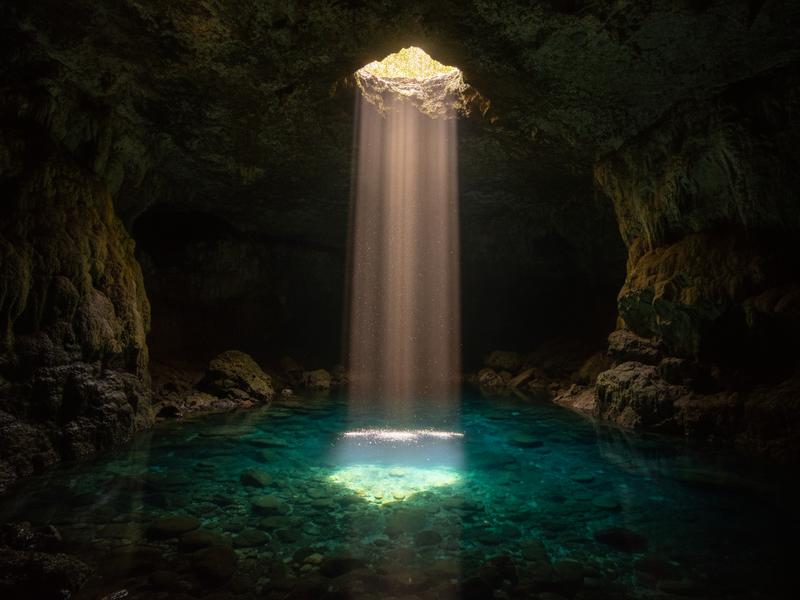
Known for its natural cavern housing a bright blue pool, this site offers unique light play as sunbeams penetrate the cave openings. The subterranean river creates turbulent water flow against smooth limestone rock walls.
Use a tripod to capture the light beams reflecting on the water.
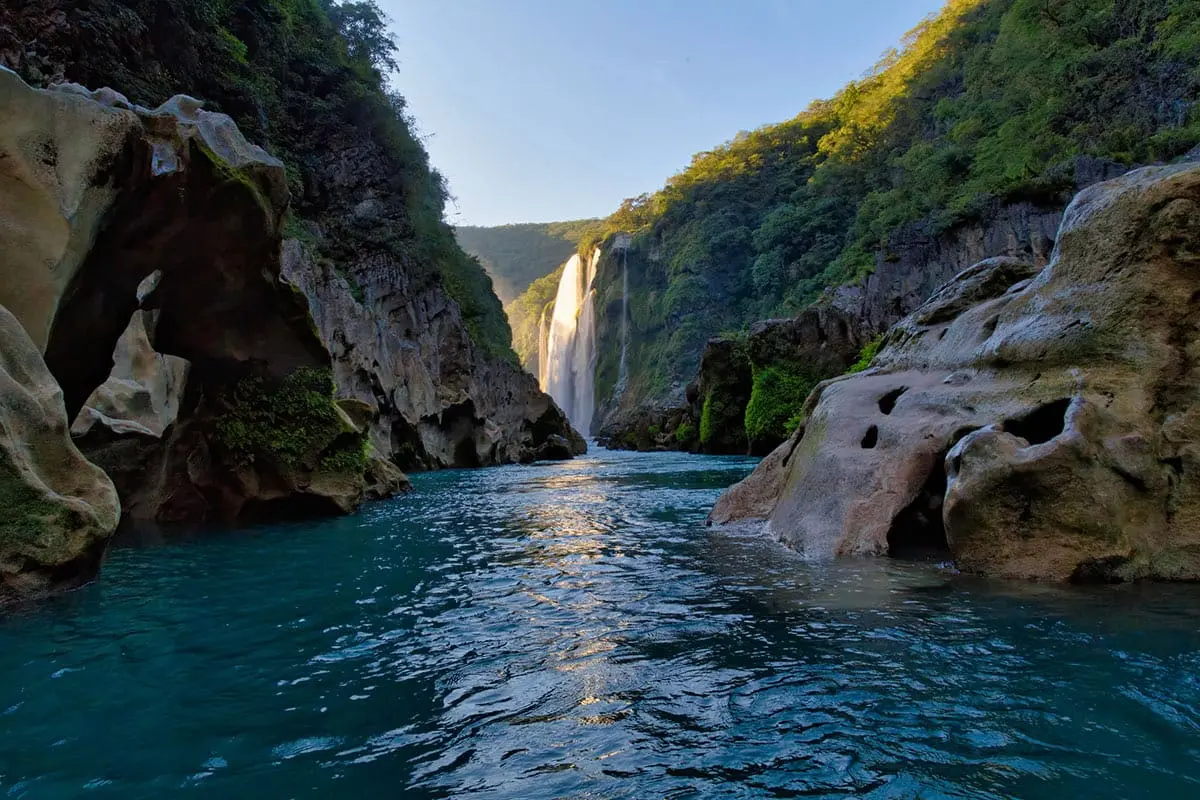
This massive waterfall drops over 100 meters into the Tampaón River, creating a powerful mist and a wide curtain of water. The surrounding canyon walls are composed of sedimentary rock covered in dense greenery.
Shoot from a wooden panga boat for the best water-level angle.
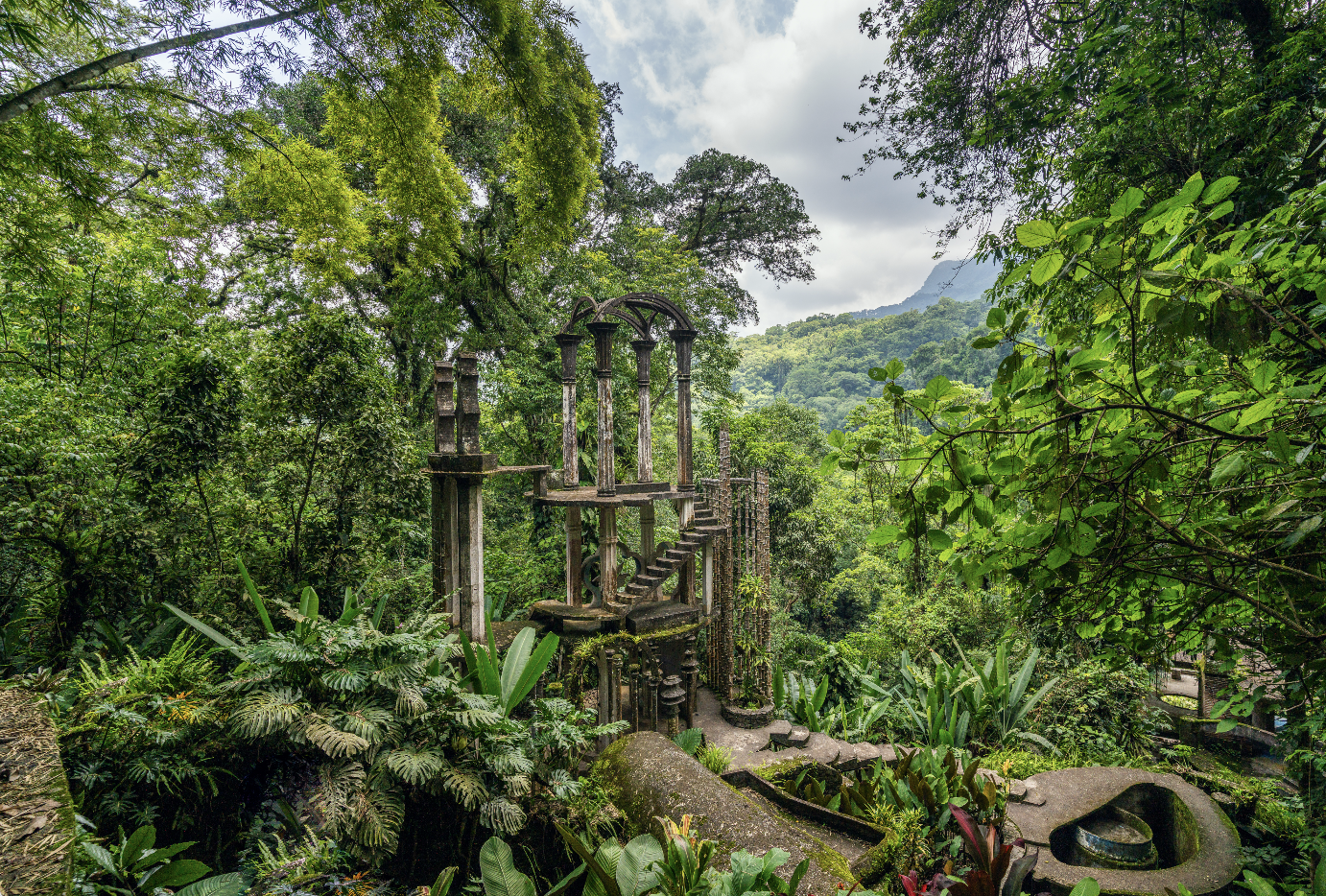
This surrealist garden features concrete structures integrated into the rainforest, including stairs that lead to nowhere and flower-shaped arches. The architecture contrasts starkly with the natural vines and tropical foliage.
Focus on the interplay of geometric concrete and wild plants.
The best arrival window for photography in the Huasteca Potosina is 08:00–10:00 to avoid peak crowds and capture optimal lighting. Visiting during these morning hours ensures clearer shots of the waterfalls before the site reaches daily capacity.
Dry and mild 20°C–25°C
This season offers lower water levels and stable, clear conditions for landscape photography.
Warm and humid 28°C–35°C
Expect higher temperatures and increased visitor numbers as the region approaches peak summer.
—
Arriving at 08:00 during the week provides the best opportunity for unobstructed views and soft natural light.
Rainy and humid 24°C–30°C
Occasional rainfall can increase water flow, though paths may be slippery and water clarity lower.
Verdict: The optimal time for photography is Tuesday to Thursday, arriving at the 08:00–10:00 window, during the drier months of November or March.
The site remains open daily throughout the week to accommodate visitors interested in photography and exploration. Access is available consistently during the specified operating hours.
Everything you need to know about huasteca potosina tours photos
When researching huasteca potosina tours photos, consider that local operators often provide transport to remote natural sites. These tours typically focus on aquatic activities and sightseeing at key landmarks like Tamasopo. Always check if your selected package includes photography stops at the most popular swimming holes. Booking in advance helps ensure your spot during peak seasons like autumn when water levels are optimal.
Yes, photographers frequently capture the turquoise waters and lush limestone cliffs during various regional outings. Many guides know the exact angles needed for high-quality huasteca potosina tours photos without disturbing the local ecosystem. Be sure to bring waterproof housing for your camera gear to protect against the heavy mist and splashes.
The best arrival window is between 08:00 and 10:00 to avoid large crowds and the intense midday heat. Arriving early provides the best natural lighting for your Huasteca Potosina landscape shots. This timing also allows you to enjoy the calmest waters before the majority of visitors arrive.
While photography is generally permitted, always respect signage and safety barriers near the cascades and river currents. Avoid using tripods in narrow walkways to ensure a smooth flow of pedestrian traffic. Professional drone usage usually requires special permits from local environmental authorities.
The conservation fee is 180 MXN per person for entry to Cascadas de Tamasopo. This fee supports the maintenance of the facilities and the preservation of the surrounding riverbank vegetation. Ensure you have cash on hand, as digital payment systems may be intermittent.
You are welcome to visit the site independently by arriving at the address located at Km 2 Carretera Tamasopo – Agua Buena, 79702 Tamasopo, San Luis Potosi, Mexico. The location is well-marked, but note that public transport options are limited compared to organized excursions. Many travelers choose guided options to simplify logistics and navigation through the winding roads.
Bring comfortable water shoes, a high-quality dry bag for your electronics, and quick-dry clothing. Sunscreen and insect repellent are essential for a comfortable experience near the tropical foliage. Because you will be in a humid environment, consider extra batteries for your camera equipment.
Most reputable tour providers include round-trip transportation and guide services, but they typically do not cover your entrance fee. You should confirm if the 180 MXN conservation fee is included in your specific itinerary before departing. Always keep your entry receipt, as it may be requested by staff on-site.
Tours Huasteca Potosina desde Ciudad Valles
Read more Tickets & toursTours Huasteca Potosina desde Monterrey
Read more GuideHuasteca Potosina Tours Prices
Read more Tickets & toursHuasteca Potosina Tours desde Guadalajara
Read more Tickets & toursHuasteca Potosina Tours from San Luis Potosi
Read more Tickets & toursHuasteca Potosina Tours from CDMX
Read more